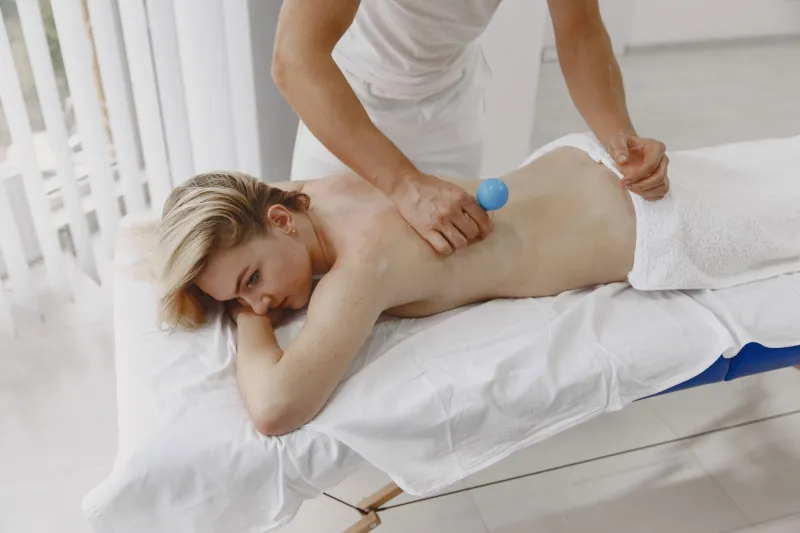
That Massage Might Already Be Paid For: An HSA Playbook for Real People
There's a moment at our front desk that happens more often than you'd think. A client checks out, pays with a regular credit card, and then pauses: "Wait — couldn't I have used my HSA for this?"
Sometimes yes. Sometimes no. And the difference usually comes down to a single sheet of paper most people have never heard of.
First, the Honest Disclaimer
The IRS doesn't care how relaxed you are. It cares why you got massage in the first place. General stress relief, pampering, a treat-yourself Friday — that's considered personal wellness, and it doesn't qualify. But massage prescribed as treatment for a specific medical condition? That can be a legitimate tax-free expense.
The distinction sounds fuzzy until you see it written down. "Lower back pain" is a complaint. "Chronic lumbar strain, massage therapy recommended twice monthly" is a treatment plan.
The Document That Changes Everything
It's called a Letter of Medical Necessity (LMN), and it's exactly what it sounds like: a note from a licensed provider — your physician, chiropractor, or nurse practitioner — stating that massage therapy is medically appropriate for your diagnosed condition.
A solid LMN typically includes:
- Your diagnosis (an actual ICD-10 code helps enormously)
- Why massage specifically is recommended
- How often and for how long ("12 sessions over 6 months" beats "as needed")
- The provider's signature, license number, and date
Here's the part people miss: you generally need the letter dated before your first reimbursable session. Getting it retroactively is possible with some HSA administrators, but it's a fight you don't need. Ask first, book second.
A Simple Template to Bring to Your Appointment
Doctors are busy, and many have never written an LMN for massage. Make it easy for them by bringing something like this:
To Whom It May Concern: I am recommending massage therapy for [Patient Name], DOB [date], diagnosed with [condition, ICD-10 code if available]. Massage therapy is medically necessary to address [pain/mobility/circulation issues]. Recommended frequency: [X sessions per month] for [duration]. This treatment is not intended for general wellness or relaxation purposes. — [Provider name, credentials, license #, signature, date]
Take a photo of the signed version. Email it to your HSA administrator or upload it to your portal before your appointment.
Three Scenarios We See at the Front Desk
Scenario one: The marathon trainer. Runner with iliotibial band syndrome, referred by a sports medicine doctor for regular soft tissue work. With an LMN on file, those sessions are typically reimbursable. Without one, they're not — same massage, different paperwork.
Scenario two: The desk-bound neck. Chronic cervical tension diagnosed by a chiropractor who co-manages care with massage. This one's usually a clean approval, especially when the chiropractor documents it as part of a treatment plan.
Scenario three: The long week. No diagnosis, no doctor visit, just a stressful quarter and tight shoulders. This is wellness, not treatment. Pay out of pocket and enjoy it guilt-free — you're buying an experience, not filing a claim.
Conditions That Commonly Qualify
Every HSA administrator interprets the rules a little differently, but these show up on approved claims regularly: chronic back pain, fibromyalgia, arthritis management, carpal tunnel syndrome, sciatica, migraine disorders, and post-surgical or injury rehabilitation.
Notice what they have in common: a diagnosis, a provider's recommendation, and a defined treatment purpose. The massage itself doesn't have to feel clinical — it just has to be documented that way.
The Fine Print Worth Reading
A few practical notes before you submit anything:
- Keep every receipt. Itemized, showing date, service, and amount.
- Some administrators pre-approve LMNs. Submit the letter first and ask; it takes ten minutes and saves a denied claim later.
- HSA funds roll over and grow tax-free, so unlike an FSA, there's no year-end panic. If your letter covers six months of sessions, you have room to breathe.
- You can't reimburse tips — only the service fee itself.
One Last Thing
We're a spa, not a tax firm, so treat this as a map rather than gospel — your HSA administrator and a tax professional have the final word. But we've watched enough clients turn a doctor's note into a fully covered care plan to know this: the loophole isn't really a loophole. It's just the system working the way it was designed to, for people who took one extra step.
Ask your provider. Bring the template. Then come see us — and let the paperwork work as hard as the hands on your shoulders.