The Day After the Table: A 24-Hour Aftercare Map for the Floaty, Sore, and Sleepy

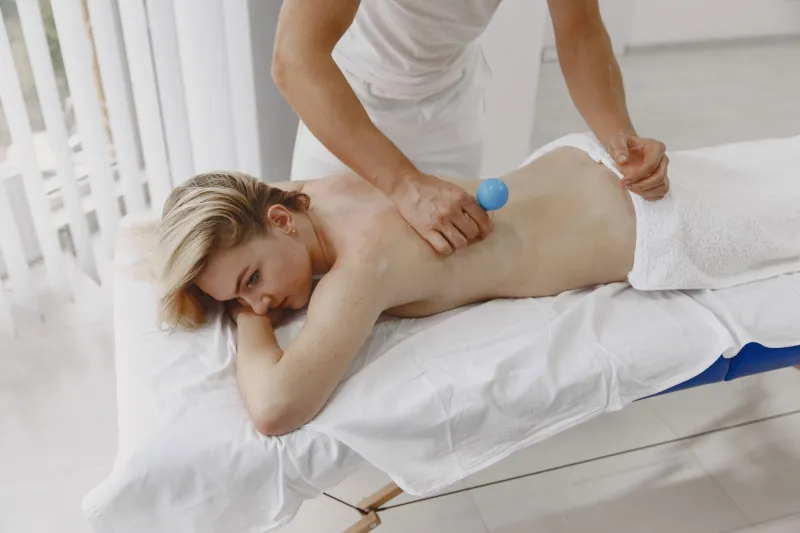
Photo by Photo by Slaapwijsheid.nl on Unsplash on Unsplash
You booked the 10 a.m. slot. You floated out of the room, drove home in a happy haze, ate lunch, and then—somewhere around 3 p.m.—hit a wall. Your legs feel like you spent the morning on a StairMaster. Your low back is tender in a way it wasn't before. You got teary over a dishwasher commercial and then felt ridiculous about it. By evening you're convinced you blew your one precious Saturday on a nap and a bad mood.
Take a breath. You didn't ruin anything. What you're describing is common enough that therapists talk about it constantly, usually with a shrug and the phrase “the day after.” Call it a massage hangover if you want. Just don't call it a detox.
What Is Actually Happening (Hint: Not Toxins)
The woo version goes like this: deep tissue work “releases toxins” into your bloodstream, and you feel crummy until you flush them out with lemon water. That's not a real mechanism. Your liver and kidneys handle waste continuously, and your lymphatic system doesn't need a special tea to do its job.
The real story is mostly about your nervous system. A good session nudges you out of sympathetic overdrive—the clenched-jaw, inbox-refreshing, shoulders-by-your-ears state—and into a parasympathetic groove. Heart rate drops, breathing slows, muscles that have been quietly guarding for months finally let go. That shift is the point. But it's also a big change, and bodies don't always transition gracefully. Blood pressure can dip. Blood sugar can wobble if you skipped breakfast. Muscle tissue that was worked hard is now repairing, which is why you feel like you did something physical even though you mostly lay there.
Add in the emotional layer—being touched kindly for an hour in a quiet room can unlock stuff you've been holding at arm's length—and you've got a recipe for a very flat afternoon.
The Timeline, Roughly
Right after: the first 60 minutes
Stand up slowly. Seriously—sit on the edge of the table for a beat before you swing your legs off, especially after deep work or if you get lightheaded easily. Drink a normal glass of water. Not a gallon. Not a $14 electrolyte cocktail with 40 grams of sugar. Just water.
Skip the hard workout, the hot yoga class, and the ambitious Target run. A slow walk around the block is ideal.
Hours 2 to 6: the dip
This is when the fog rolls in. Plan for it instead of fighting it. If you can, keep the calendar light. Don't schedule a difficult conversation, a big grocery haul, or a two-hour drive. Eat something with protein and actual calories—a real lunch, not a protein bar eaten standing up. Hunger makes the floaty feeling ten times worse, and people forget that massage is metabolically unremarkable but still a nervous-system event.
If you're sleepy, sleep. A 20-to-30-minute nap is fine. A three-hour nap that wrecks your night is not.
Evening: heat, but gently
A warm shower is lovely. A heating pad on a tight low back for 15 minutes is lovely. A 45-minute soak in a 108-degree tub followed by a sauna, a cold plunge, and two glasses of wine is not what your body is asking for tonight. Keep it boring.
The next morning: the soreness window
Deep tissue, sports massage, and trigger point work can leave you feeling bruised or stiff for 24 to 48 hours. That's normal delayed-onset muscle soreness territory—mild, symmetrical, and vaguely satisfying, like you earned something. Sharp pain, swelling, numbness, tingling, or pain that's clearly one-sided is not normal. Call us, and call your doctor if it persists.
Food, Water, and the Stuff You Can Skip
You do not need to “flush” anything. You need to eat a meal, drink to thirst, and go to bed at a reasonable hour. A little salt is fine. Coffee is fine if it's your normal amount. Alcohol is the one thing worth skipping—it'll make the fog worse and trash your sleep on the exact night you're trying to recover.
Epsom salt baths feel nice and are basically a warm bath with marketing. Enjoy them for what they are.
The Calendar Test
Here's the practical part most people learn the hard way: don't book 90 minutes of deep tissue the afternoon before a red-eye flight, a client pitch, or your kid's recital. Schedule bodywork when the 24 hours after it can be a little soft. A Saturday morning appointment with a quiet Saturday afternoon is a very different experience from a Thursday 6 p.m. slot before a Friday presentation you're dreading.
If you have no choice, book a shorter session, ask for moderate pressure, and tell your therapist what's coming up. We'll adjust.
The Emotional Part Nobody Warns You About
Crying on the table happens. Crying in your car afterward happens. Feeling weirdly raw and tender toward the world for a few hours happens. It doesn't mean you're falling apart or that the therapist “released trauma.” It usually means your guard came down and hasn't come back up yet. Be gentle with yourself, text a friend, take the nap, and let it pass.
The day after bodywork isn't a bonus day of relaxation. It's a recovery day. Treat it like one and you'll get a lot more out of the appointment than a sore shoulder and a wasted Saturday.