The Word You Say at the End of a Massage Might Change Your Whole Day
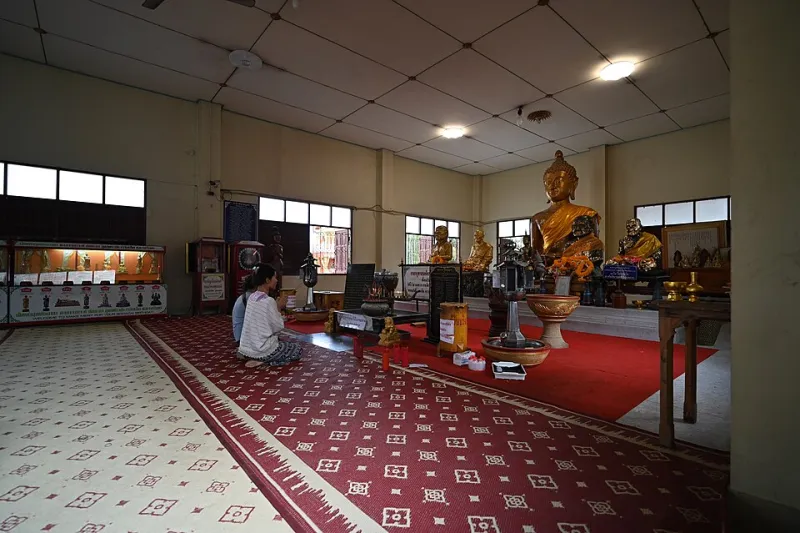
Photo: PattayaPatrol, CC BY-SA 4.0, via Wikimedia Commons
It's More Than a Word on the Wall
If you've ever ended a session at Namaste Massage & Spa, you've heard it: a soft namaste, hands pressed together, a moment of genuine acknowledgment between therapist and guest. The word roughly translates to "the light in me honors the light in you." It sounds a little lofty for a Tuesday morning in traffic on I-40, but stick with us—this ancient greeting has real, practical staying power in modern American life.
Here are seven ways to bring that same spirit of mindful connection into your everyday routine, no yoga mat required.
1. Turn Your Commute Into a Check-In
Most of us treat the drive or train ride as dead time to fill with podcasts, doomscrolling, or mental rehearsals of arguments we'll never have. Try this instead: for the first three minutes, just notice. Your grip on the steering wheel. Your shoulders creeping toward your ears. The breath moving in and out.
That's it. That's the whole practice.
Notice how your body feels at rest? A regular massage trains you to recognize tension earlier—so by the time you're gripping the wheel, you already know what release feels like and can consciously soften.
2. Take a 60-Second Breath Break at Your Desk
Between meetings, try what our therapists call a "micro-namaste": sit tall, close your eyes if you're comfortable, and take five slow breaths—inhale for four counts, exhale for six. The longer exhale signals your nervous system that it's safe to downshift.
It's the same breathing rhythm we encourage on the massage table, just wearing business casual.
3. Greet One Person Like You Actually Mean It
When did "How are you?" become a question nobody expects answered? Once a day, make eye contact with the barista, the coworker, the neighbor, and genuinely acknowledge them. A real "good morning, how's your week going?" is namaste in its most basic form: I see you.
4. Build a Two-Minute Gratitude Ritual
Before bed, jot down three specific things—not "my family," but "my daughter's laugh at dinner." Specificity matters; it forces your brain to actually relive the moment rather than skim it.
Massage works the same way. A single session is nice, but the benefits compound when you make it a ritual. Consistency, whether in gratitude or bodywork, is where the magic lives.
5. Eat One Meal Without a Screen
The light-in-me-honors-you philosophy applies to your food, too. Pick one meal a day—lunch is easiest—and eat it without your phone. Notice flavors, textures, how full or hungry you actually are. Mindful eating is just mindful living with a fork.
6. Do a Body Scan While Waiting in Line
Grocery store line. DMV. Elevator. Instead of reaching for your phone, sweep your attention from your feet to your forehead, releasing tension as you go. Most Americans hold stress in the jaw, shoulders, and hips—three areas a skilled massage therapist knows intimately. The scan helps you find it; massage helps you clear it.
7. End Your Day With a Proper Unwind
Namaste at its core means closing one chapter with intention before opening the next. Create an evening transition: dim the lights, stretch for five minutes, put the phone in another room. Your body learns that sleep is coming, and it starts cooperating.
The Common Thread
Every one of these practices shares the same DNA: pausing, noticing, and acknowledging—yourself, others, the moment. Massage therapy is simply the most luxurious way to rehearse that skill. When you lie on the table and someone honors your body's need for rest, you're practicing connection in its purest form.
Then you carry it with you: into traffic, into meetings, into the grocery line.
Restore your balance, one breath at a time. Book your next session at namastemassagespa.online and let the practice begin on the table.